OSHA
OSHA's Top Ten - #9 PPE - Eye and Face
Discover why OSHA's eye and face protection standard ranks in the top 10 violations and how to improve compliance in your workplace.
Scaffolding violations are a persistent issue in construction. Learn key prevention strategies to ensure compliance and improve safety on your job sites.
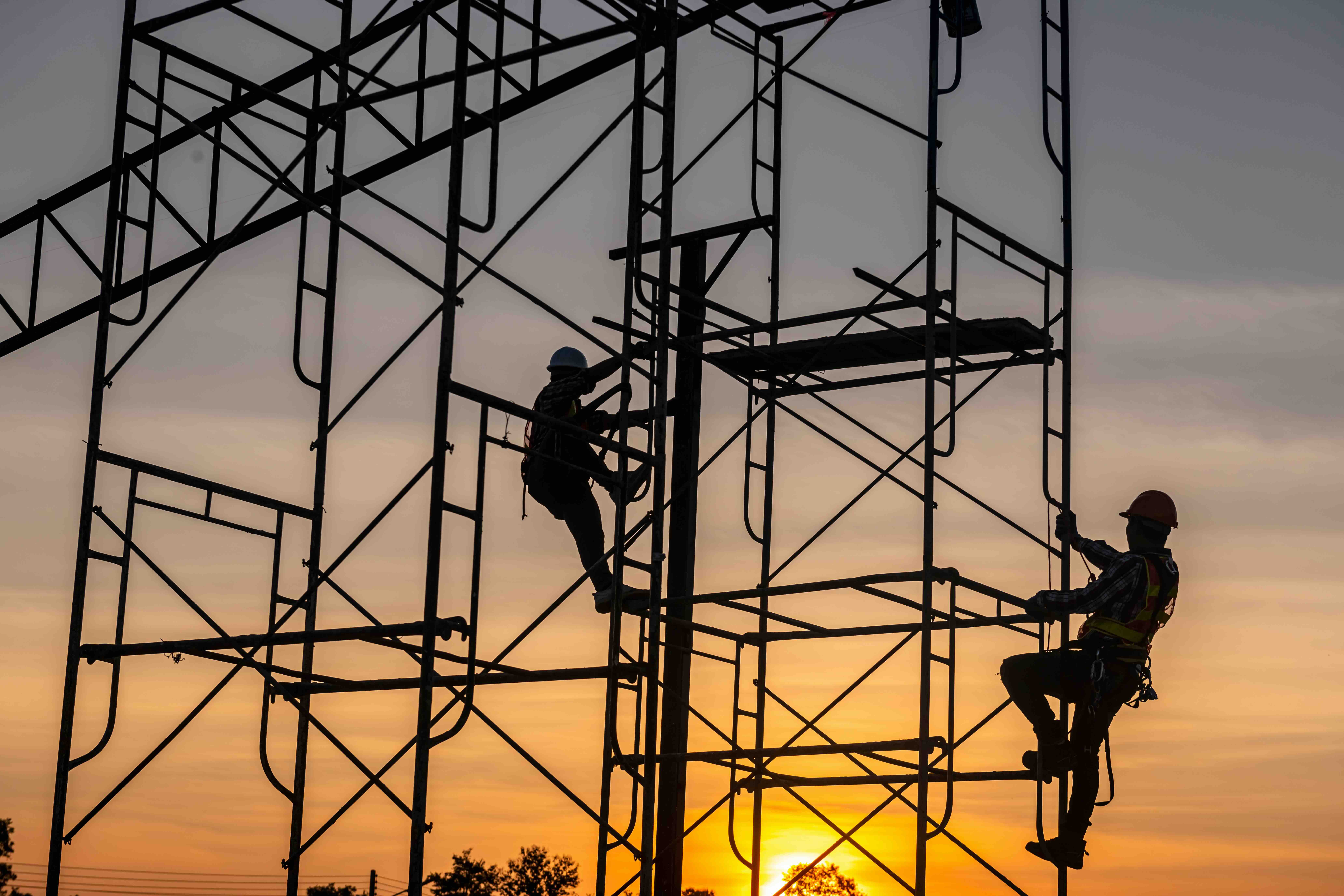
Coming in at number #7 on OSHA’s annual top 10 list of their most cited standards is 29 CFR 1926.451, the construction standard governing scaffolding. What’s interesting about this particular standard is that unlike many of the other standards which retain the same place on the list year after year, this one doesn’t seem to do that. In the most recently published preliminary list, Scaffolding moved up a spot to #7 with 1,905 violations, which is an increase over FY 2024. While the numbers seem to fluctuate, the message stays the same: Scaffolding is still presenting a problem across the construction industry.
Based on previous years’ data, here are the top 5 parts of the standard most often being cited:
Looking at this list, the problem seems to be related to how scaffolds are being set up, making this another set of standards employers are struggling to manage the basic aspects of.
We believe there are several reasons why violations of the scaffolding standard seem to persist year after year, the first one being an unfortunate feature of scaffolding: they’re highly visible. Meaning, they stand out and aren’t hard to spot when being used. Knowing scaffolding is a recurring problem for many employers and considering they’re easy to spot and are used on nearly every construction project, it makes sense why scaffolding would be low hanging fruit for an OSHA inspector. The irony here is that employers know this yet still seem to struggle to erect and maintain compliant scaffolding.
Another problem with scaffolding that seems to be a precursor to additional issues has to do with the temporary nature of the equipment. Scaffolding is designed to be constructed, used temporarily, dismantled, moved and reassembled. One set of scaffolding may go through this cycle possibly hundreds or thousands of times which introduces a sea of different opportunities to lose or damage components, incorrectly reassemble it, etc. To make things worse, each component of scaffolding doesn’t wear the same way at the same intervals so while parts of the set may be fine after a hundred or so uses, more delicate parts like pins and clips may wear a bit faster requiring additional inspections and increased vigilance. While it may seem like a no brainer not to use parts that are in poor condition, it can and does pose a problem in cultures where safety sometimes takes a backseat to things like time constraints and projects that are already late and over budget. What do we mean by that? We mean that when the culture isn’t truly focused on safety sometimes poor choices are made to use scaffolding that’s not safe to use because stopping, getting all the right parts or just replacing worn out parts will take too much time—and in these cultures, time is the priority, not safety.
Combining this with workers who maybe lack sufficient training or with sites where adequate oversight is not the norm and it’s no wonder why there are so many scaffolding issues. When scaffolding is being used in an environment where workers aren’t properly trained and where no one is really overseeing scaffolding activities or holding anyone accountable for following the rules, what we end up with are things like skipped inspections, missing guardrails systems, scaffolding erected on inappropriate foundations, and absent fall protection for those workers suspended 10ft above a lower level. What makes things even more insidious is that all of these things are related so it’s quite possible that when OSHA shows up, they won’t have to work very hard to find a myriad of things to cite.
Scaffolds must be designed, erected, and modified under the supervision of a qualified person. That responsibility can’t be delegated to whoever happens to be on site. Daily inspections should be completed by a competent person before each shift and after any change in configuration or weather event.
The majority of injuries involving scaffolds seem to stem from falls and we think this is probably due to either a lack of understanding of the requirements or again, because the culture allows for a “just this once” mindset. Guardrails, personal fall arrest systems, or both must be in place before work begins but if workers are a bit foggy on when, where and how these things should be incorporated, there will be gaps with their use. A great way of overcoming this is by reinforcing the rule that “no guardrail” means “no work” and training workers to recognize incomplete systems and stop the job until hazards are corrected should accompany that rule.
The use of technology like software from EHS Insight can simplify scaffold compliance by helping to digitize the essentials. Companies using our software can design scaffold inspections and include pictures to help guide in installations, assign CAPAs on the spot, generate JSAs to help ensure scaffolds are erected and dismantled the same way each time, identify hazards and assess risks at each new job site, deliver training whenever needed, manage scaffolding like any other asset and get regular reminders of all the other compliance needs associated with scaffold management.
Violations often happen not because workers don’t know the rules, but because familiarity can sometimes breed complacency. Supervisors should model good habits like wearing harnesses, inspecting planks, refusing to climb incomplete scaffolds and being comfortable stopping work when scaffolds aren’t up to par, even if it means losing ground on a project timeline. When safety leadership is visible, compliance often follows naturally.
Scaffolding violations are a persistent issue across the construction industry but they don’t have to be. By combining qualified oversight, consistent inspections, robust training, and modern EHS management tools, organizations can finally start to change the pattern and not only keep workers safer but also help move scaffolding off OSHA’s Top 10 list for good.

Discover why OSHA's eye and face protection standard ranks in the top 10 violations and how to improve compliance in your workplace.
Discover the common misconceptions about OSHA’s Machine Guarding Standard and learn how to ensure compliance for both old and new machinery.
Part Two: Learn about OSHA's machine guarding standards, including types of guarding, general requirements, and point of operation safeguarding to...
