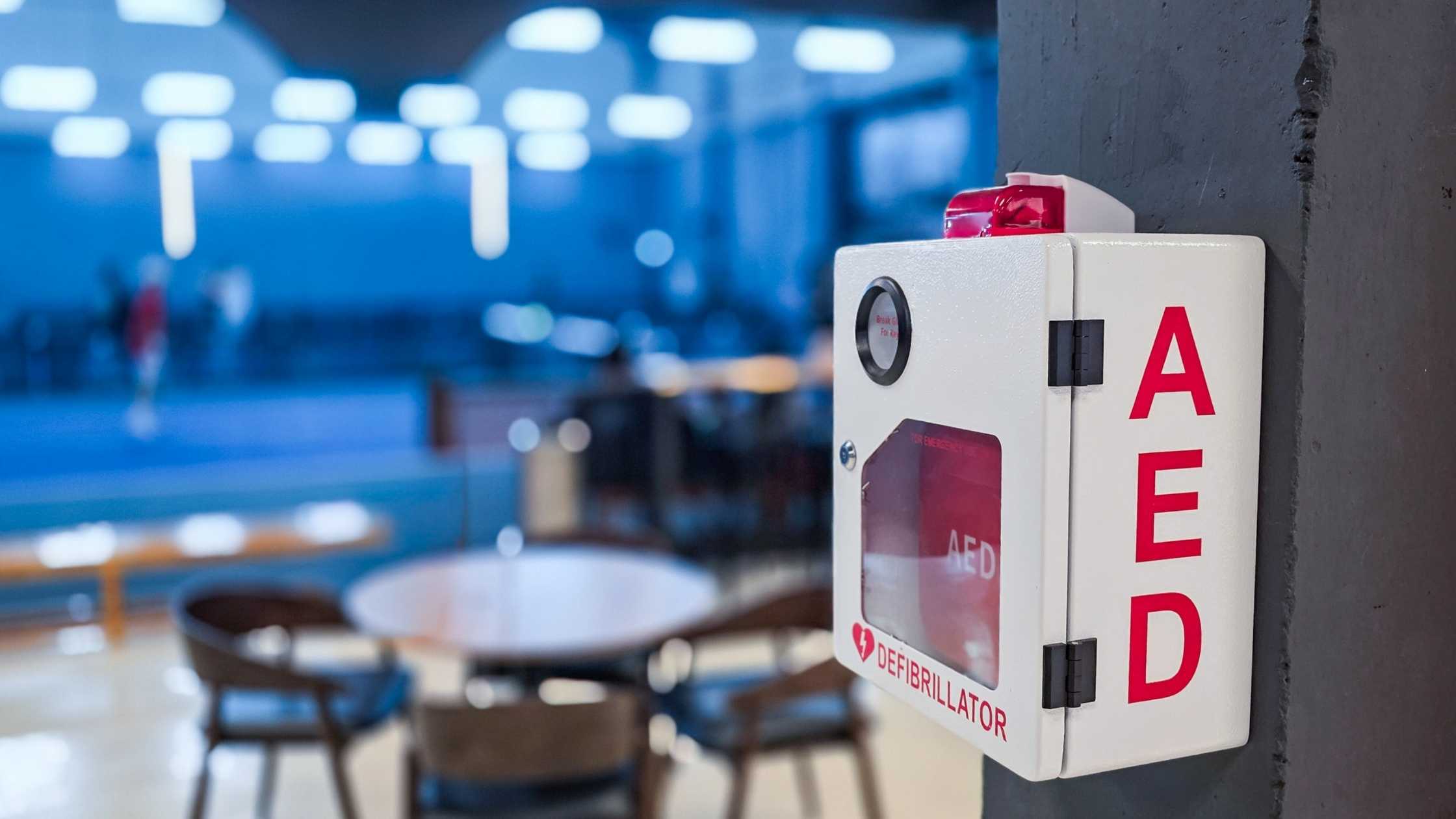
Workers and supervisors should recognize the warning signs of a heart attack and treat them as an emergency. Common symptoms include chest pain or pressure, shortness of breath, and pain that spreads to the jaw, back, or arm. If these signs appear, call 911 and activate the workplace emergency response plan right away. Fast recognition and action at work can save a life.
What heart attack symptoms should workers and supervisors watch for?
Workers should treat heart attack warning signs as a medical emergency. According to the Centers for Disease Control and Prevention (CDC), the most common symptoms include:
- Pain in the jaw, neck, or back
- Pain in one or both arms or shoulders
Symptoms don’t always look dramatic. One worker may say their chest feels heavy or tight. Another might report sudden shortness of breath or pain spreading into the jaw or back.
Work conditions can also blur the warning signs. Heat, physical exertion, noise, and production pressure can make symptoms seem like routine fatigue or strain rather than a medical emergency.
Use a simple rule to remove uncertainty. If a worker reports chest discomfort along with any other warning sign, or says something feels seriously wrong, do as the CDC says and start the emergency process and call 911 immediately.
Recognizing symptoms is only part of the response. To act quickly and appropriately, teams also need to understand what kind of cardiac emergency they may be facing.
How is a heart attack different from cardiac arrest on the job?
A heart attack and cardiac arrest are not the same event, though people often confuse the two. A heart attack occurs when blood flow to the heart muscle becomes blocked. Cardiac arrest happens when the heart suddenly stops beating effectively and the person collapses.

The Centers for Disease Control and Prevention (CDC) explains this distinction in its guidance on cardiac arrest. A worker having a heart attack may still be awake and able to talk. A worker in cardiac arrest will often collapse suddenly, stop responding, and stop breathing normally or begin gasping.
The table below shows the key differences and how a workplace response should change in each situation.
|
Condition
|
What workers may see
|
What the team should do
|
|
Heart attack
|
Chest pain, shortness of breath, pain in jaw, back, or arm, nausea, unusual fatigue
|
Call 911, keep the worker at rest, send someone to meet EMS, monitor closely
|
|
Cardiac arrest
|
Sudden collapse, no normal breathing, gasping, no response
|
Call 911, start CPR, get the AED, follow the AED prompts
|
This is why a workplace EHS plan cannot stop at recognizing symptoms. A heart attack can quickly progress to cardiac arrest if the situation worsens. Teams need a clear path from identifying that something is wrong to starting CPR and using an AED if the worker collapses.
What should happen in the first minutes after heart attack symptoms start?
The first minutes after heart attack symptoms appear should follow a simple, practiced sequence. Call 911, alert the site response team, keep the worker from walking or driving, and stay with them until emergency medical services arrive.
Speed matters in a cardiac emergency. Under OSHA’s first aid standard, 29 CFR 1910.151(b), employers must ensure trained personnel and first aid resources are available when a clinic or hospital is not in near proximity to the workplace.
That requirement reflects a practical reality. Lifesaving care often happens in the critical minutes before outside responders arrive, which means workplaces must be prepared to act immediately.
A strong response in those first minutes usually looks like this:
- Call 911: One person calls 911 and gives the exact location, entry point, and callback number so emergency responders can find the worker quickly.
- Stay with the worker: One person stays with the worker and watches for changes in breathing, responsiveness, or worsening symptoms.
- Bring emergency equipment: One person brings the AED and first aid supplies, if they are available onsite, so equipment is ready if the worker collapses.
- Guide EMS to the scene: One person meets EMS at the gate, lobby, or site entrance and guides responders directly to the worker.
Picture a contractor on a large jobsite who suddenly reports chest pressure near the laydown yard. If the only plan is “someone call for help,” valuable minutes disappear. When roles, communication, and access points are planned ahead of time, responders can move quickly and the worker receives care faster.
These early actions stabilize the situation while help is on the way. If the worker suddenly collapses, however, the response must shift immediately to lifesaving measures.
What should teams do if the worker collapses?
If a worker collapses, becomes unresponsive, or stops breathing normally, treat the situation as cardiac arrest. Call 911 immediately, begin CPR, retrieve the AED, and follow the device prompts until emergency responders arrive.
Quick action is critical. According to OSHA guidance on automated external defibrillators (AEDs) in the workplace, survival chances drop by 7–10 percent for every minute without CPR or defibrillation, which shows how quickly the situation can worsen if responders hesitate.
Response time can become even more challenging in large facilities or remote worksites. Warehouses, industrial campuses, and field operations often introduce delays that affect how quickly emergency services can reach the worker. In those environments, trained responders and an accessible AED allow teams to begin lifesaving care immediately instead of waiting for outside help.
Preparing teams to respond in those moments requires more than awareness. Organizations also need systems that help track training, equipment readiness, and emergency planning across the workplace.
How EHS Insight helps safety teams prepare for cardiac emergencies
EHS Insight provides EHS management software that helps safety teams turn emergency procedures into clear, trackable actions across the workplace. Instead of relying on scattered spreadsheets, paper logs, or memory, teams manage preparedness in one connected system.
With EHS Insight, safety leaders can:
- Track training: Monitor CPR and first-aid certifications so responders stay qualified and ready across every shift and location.
- Manage AED readiness: Schedule and document AED inspections and equipment checks to confirm lifesaving tools are accessible and working.
- Document emergency drills: Record drill results and response tests to spot delays and improve procedures.
- Capture incident data: Log medical incidents and investigation details so teams can review what happened and strengthen future response.
- Assign corrective actions: Create tasks, track ownership, and confirm safety gaps are closed quickly.
- Work from the field: Use mobile access so supervisors can report issues, complete inspections, and update records from any jobsite.
Cardiac emergency readiness depends on preparation, visibility, and follow-through. EHS Insight gives safety teams the tools to manage training, equipment, response planning, and incident data in one place so nothing slips through the cracks.
If you want a clearer way to manage emergency readiness across your organization, schedule a demo of EHS Insight and see how the platform can support faster response, stronger compliance, and safer workplaces.
FAQ
What should a supervisor do if an employee reports chest pain at work?
Treat chest pain as a medical emergency. Call 911 immediately, keep the worker seated and calm, and alert the site response team. Supervisors should stay with the worker, monitor symptoms, and make sure emergency responders can reach the exact location quickly.
Can physical work trigger heart attack symptoms on the job?
Heavy exertion, heat, stress, and long shifts can increase strain on the heart. The National Institute for Occupational Safety and Health, NIOSH, notes that work conditions such as long hours and high job demands may contribute to cardiovascular risk. Safety teams should treat sudden symptoms during work as a potential emergency.
Where should workplaces place automated external defibrillators, AEDs?
AEDs should be placed where workers can reach them within a few minutes. Good locations include near high traffic areas, production floors, break rooms, security stations, and large jobsite entrances. Clear signage and employee awareness help responders locate the device quickly during an emergency.
Who should receive CPR and AED training at a workplace?
Workplaces should train designated first aid responders and supervisors who may need to assist during emergencies. OSHA guidance recommends training workers who can respond quickly when outside medical care is not immediately available. Regular refreshers help maintain skills and confidence.
How often should workplaces review their cardiac emergency response procedures?
Safety teams should review cardiac emergency procedures during routine emergency planning reviews or after drills and incidents. OSHA guidance encourages periodic review of first aid programs so organizations can update training, equipment placement, and communication procedures as conditions change.