Ethanol SDS: Safety Data Sheet for Ethyl Alcohol
Explore essential safety information on ethanol, including hazard classifications, handling guidelines, and first-aid measures for exposure.

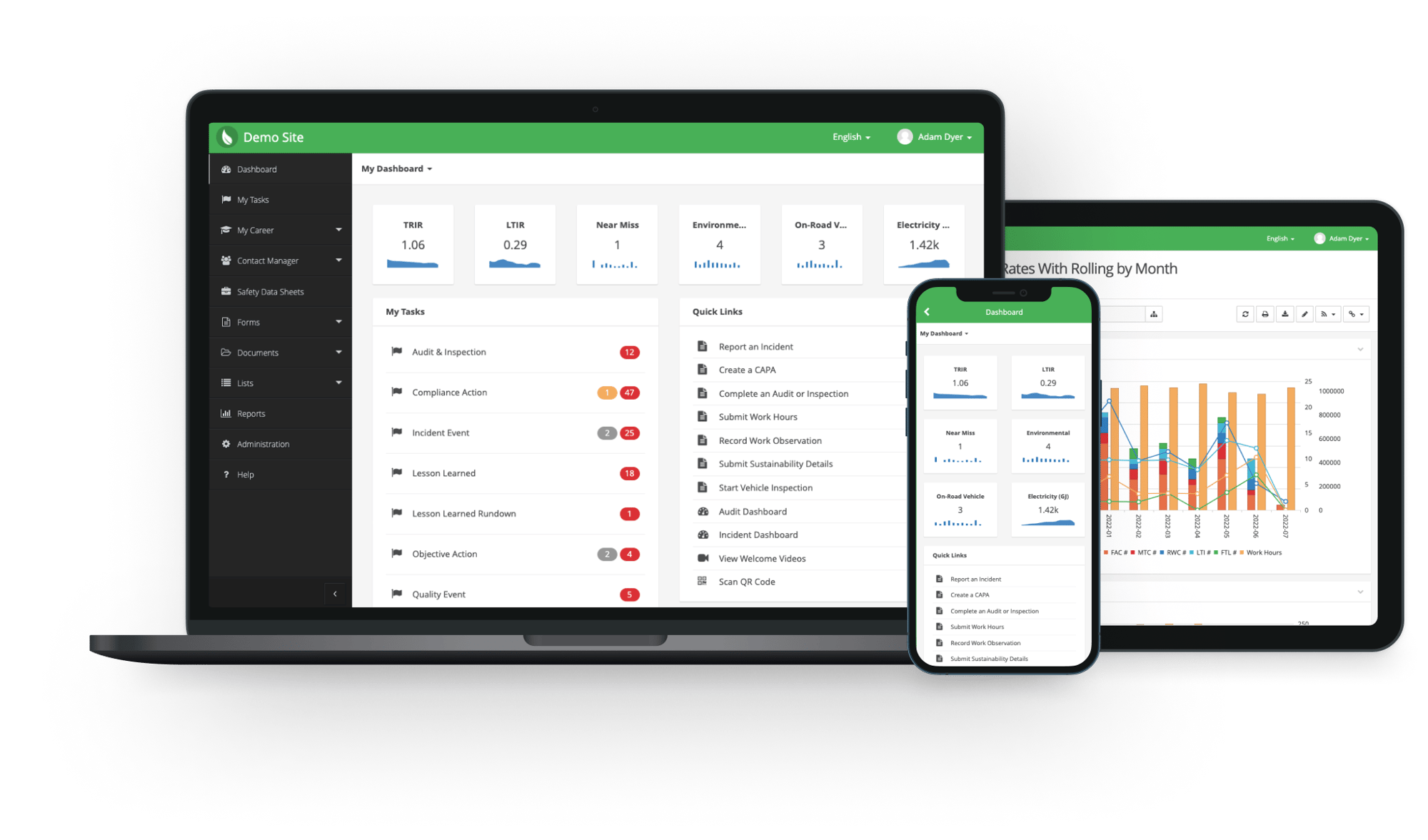
Seamlessly collect and centralize ESG, sustainability, and aspects and impact data. Gain better visibility and company-wide transparency over all your sustainability and ESG program.
ESG software is a specialized tool designed to help organizations manage, track, and report on their Environmental, Social, and Governance initiatives and performance metrics. It enables companies to collect and analyze data related to sustainability practices, social responsibility efforts, and governance standards. ESG software benefits organizations by providing a centralized platform to monitor ESG performance, identify areas for improvement, and demonstrate transparency to stakeholders. It supports compliance with ESG reporting frameworks and regulatory requirements, enhances stakeholder engagement, and contributes to long-term sustainability goals.
When selecting ESG software, organizations should prioritize features that enable comprehensive data management and reporting capabilities. This includes the ability to integrate data from various sources, track and report on key ESG metrics and benchmarks, generate compliant ESG reports aligned with frameworks like GRI or SASB, and manage risks related to environmental impact, social responsibility, and governance practices. The software should also facilitate stakeholder engagement through transparent communication of ESG initiatives and support continuous improvement through analytics and strategic decision-making.
ESG software plays a critical role in advancing sustainability and corporate responsibility efforts by providing insights into environmental impact, resource consumption, and emissions data. It supports organizations in identifying opportunities for operational efficiency improvements, implementing social responsibility initiatives such as diversity programs and community engagement, and strengthening governance practices through compliance monitoring and ethical standards. By analyzing ESG performance trends and aligning business strategies with sustainable development goals, organizations can drive positive change and achieve long-term value creation.
Explore essential safety information on ethanol, including hazard classifications, handling guidelines, and first-aid measures for exposure.
Discover the importance of an MSDS/SDS database for EHS teams, ensuring access to up-to-date safety information and compliance with OSHA regulations.
Learn about GHS, the Globally Harmonized System for chemical classification and labeling, and its impact on safety and compliance in workplaces...