Lockout Tagout: The Complete Guide to LOTO Compliance
Learn what OSHA's lockout tagout standard (29 CFR 1910.147) requires: energy control procedures, the 6 lockout steps, training triggers, and annual...
Report and track near misses and ensure the organization is learning from them.

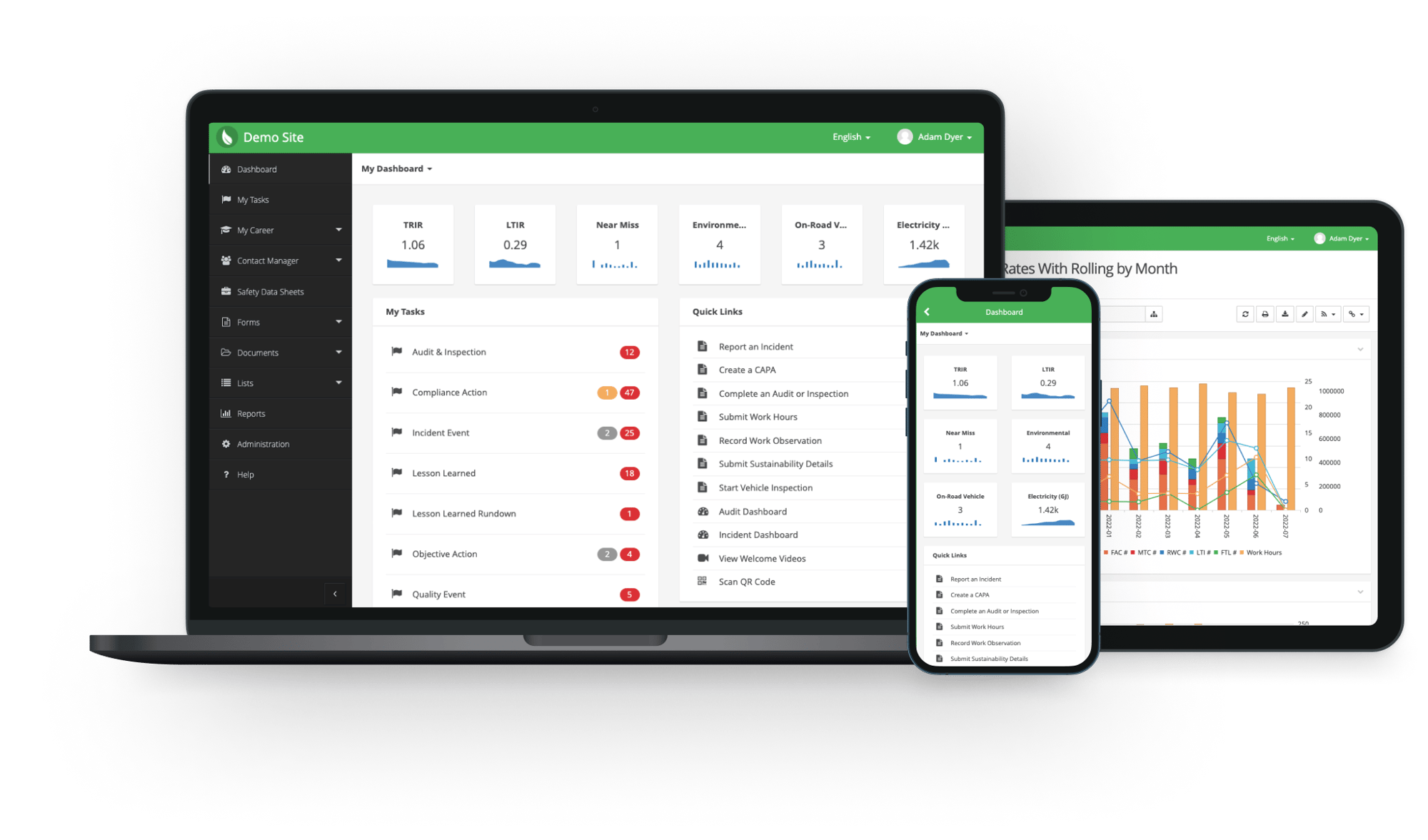

Gain insight into company-wide performance related to near misses and ensure corrective actions are implemented to share lessons learned. Use data analysis tools to identify those who do well and those who need to make an improvement. Recognize the risks and take action.

Key Performance Indicators can be used to easily examine how many near misses, by various categories, are reported within a particular timeframe. Analyze the data and effortlessly identify the most frequently reported categories.

As you elevate your workplace safety culture, you can rely on us. Over 500,000 users trust EHS Insight for improved team collaboration, accountability, and safety visibility.
When you team with us, we support your journey.